 Call Us : Call Us :


 Send Inquiry
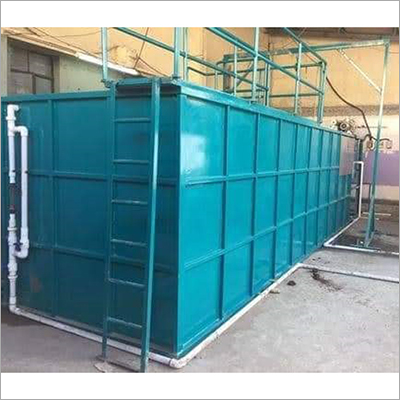
Hospital STP and ETP Plant
Price 600000 INR/ Unit
MOQ : 1 Unit
Hospital STP and ETP Plant Specification
- Installation Type
- Containerized/Prefabricated, On-site Installation
- Capacity
- 10 KLD to 500 KLD
- Membrane Quantity
- 3-15 Units (Based on Design)
- Automation Grade
- Automatic/Semi-Automatic
- Water Source
- Waste Water, Hospital Sewage
- Ph Level
- 6.5 to 8.5
- Flow Rate
- 10 to 500 m3/day
- Treatment Technique
- Activated Sludge Process, Membrane Bio-Reactor (MBR)
- Membrane Size
- 0.1-0.4 Micron
- Material
- Mild Steel/FRP/SS 304
- Power
- 3-15 kW (Depending on Capacity)
- Application
- Hospital Effluent and Sewage Treatment
- Product Type
- Hospital STP & ETP Plant
- Technology
- MBR/Extended Aeration/Root Zone/RO (Optional)
- Power Source
- Electric
- Operation Type
- Automatic/Semi-Automatic
- Pressure
- 1-1.5 Bar
- Dimension (L*W*H)
- Customized As Per Requirement
- Weight
- 800-2500 kg (Depending on Capacity)
- Color
- Blue/Grey (Standard)
- Capacity Intel Flow Rate
- Variable As Per Model
- Control Panel
- PLC Based With HMI
- Design Life
- 15+ Years
- Surface Protection
- Epoxy Coated Anti-Corrosion
- Maintenance Requirement
- Low Maintenance
- Outlet Water Quality
- BOD < 10 mg/l, COD < 50 mg/l, TSS < 10 mg/l
- Cooling System
- Natural Air Cooling
- Inlet Water Quality
- TSS 250 mg/l, BOD 200 mg/l, COD 500 mg/l
- Chlorination System
- Optional
- Compliance
- MoEF & CPCB Certified
- Sludge Handling
- Sludge Dewatering System Included
- Noise Level
- < 75 dB
- Pump Type
- Submersible/Centrifugal
- Optional Features
- Remote Monitoring, Online pH/ORP Sensors
- Discharge Standard
- CPCB Norms
- Mobility
- Stationary/Portable as Option
- Space Requirement
- Compact, 100-400 sq.ft as Per Design
- Accessories
- Air Blowers, Pumps, Electric Panels, Dosing System
Hospital STP and ETP Plant About
Hospital STP Sewage Treatment Plant
Purpose Designed to treat and manage sewage and wastewater generated by hospital facilities
Functionality Treats sewage to remove contaminants pathogens and chemicals before being safely discharged or reused
Process Typically involves physical chemical and biological treatment stages such as screening aeration filtration and disinfection
Importance Ensures the hospitals wastewater complies with environmental standards and reduces the risk of waterborne diseases
Outcome Provides safe clean water for discharge or reuse such as for landscaping or cooling systems minimizing environmental impact
Hospital ETP Effluent Treatment Plant
Purpose Specifically designed to treat industrial effluents generated by the hospital such as from laboratories pharmaceuticals and kitchens
Functionality Treats wastewater containing chemicals heavy metals and other pollutants that are nonbiodegradable
Process Includes processes like neutralization coagulation flocculation filtration and sometimes advanced treatments like reverse osmosis or activated carbon
Importance Prevents harmful contaminants from entering the environment or public water systems ensuring compliance with environmental and health regulations
Outcome Purified effluent that meets discharge standards ensuring hospital activities do not harm local ecosystems or public health
Advanced Technology for Hospital Wastewater
Utilizing Membrane Bio-Reactor (MBR), activated sludge process, or optional RO and root zone methods, our treatment systems deliver exceptional performance for hospital sewage and effluent. Select from automatic or semi-automatic operation, with remote monitoring and online pH/ORP sensors as optional enhancements. These systems offer reliable compliance for hospitals requiring stringent treated water quality.
Compact & Durable Design
Engineered for limited space, our STP and ETP units occupy just 100-400 sq.ft, thanks to containerized and pre-fabricated design options. Their robust construction uses mild steel, FRP, or SS 304, finished with epoxy-coated anti-corrosion surfaces. With plug-and-play submersible or centrifugal pumps, they are easy to install and suitable for both new facilities and upgrades.
Certified Compliance & Safe Operation
Certified by MoEF and CPCB, these plants fulfill all critical environmental norms for hospital wastewater. With natural air-cooling systems, noise reduction (<75dB), automatic sludge dewatering, and PLC-based control panels, safe and efficient operation is ensured. Optional features like chlorination and dosing, and add-ons including air blowers and electric panels, enhance usability and compliance.
FAQ's of Hospital STP and ETP Plant:
Q: How does the Hospital STP/ETP plant achieve such low BOD, COD, and TSS levels in treated water?
A: The plant uses advanced treatment technologies such as the activated sludge process and Membrane Bio-Reactor (MBR), which efficiently break down organic load and trap suspended solids. This ensures treated water meets CPCB discharge norms with BOD < 10 mg/l, COD < 50 mg/l, and TSS < 10 mg/l.Q: What installation options and space requirements are available for the hospital treatment units?
A: Installation options include containerized/prefabricated systems, suitable for indoor or outdoor setups. Their compact design requires only 100-400 sq.ft, making them ideal for hospitals with limited space. On-site installation services are provided for seamless commissioning.Q: When should sludge be removed and how is it managed in this system?
A: Sludge removal intervals depend on plant load and operational hours but typically occur every few weeks. The integrated sludge dewatering system automates handling and minimizes manual intervention, ensuring safe disposal or further processing as per environmental guidelines.Q: Where can these STP/ETP plants be used beyond hospitals?
A: While optimized for hospital sewage and effluent, these plants are versatile for clinics, labs, healthcare centers, and similar facilities where high-quality effluent and compliance with CPCB/MoEF norms are essential.Q: What are the benefits of features like PLC-based control panels and remote monitoring?
A: A PLC-based HMI control panel provides user-friendly automation, streamlining operation and reducing errors. Optional remote monitoring and online pH/ORP sensors allow real-time tracking, rapid troubleshooting, and data-driven maintenance planning, collectively improving operational reliability and efficiency.Q: How does the design ensure durability and low maintenance over its 15+ year lifespan?
A: Constructed from epoxy-coated mild steel, FRP, or SS 304, the plants resist corrosion and wear. Submersible/centrifugal pumps, air blowers, and sealed electric panels are chosen for longevity and low maintenance, while simple maintenance protocols further reduce downtime.Q: What compliance certifications does the system hold and how does it guarantee environmental safety?
A: The plant is certified by MoEF and CPCB, evidencing full compliance with national environmental standards. Safety features like noise control, emergency shutdown, and optional chlorination maintain safe operation and ensure treated water discharge is environmentally responsible.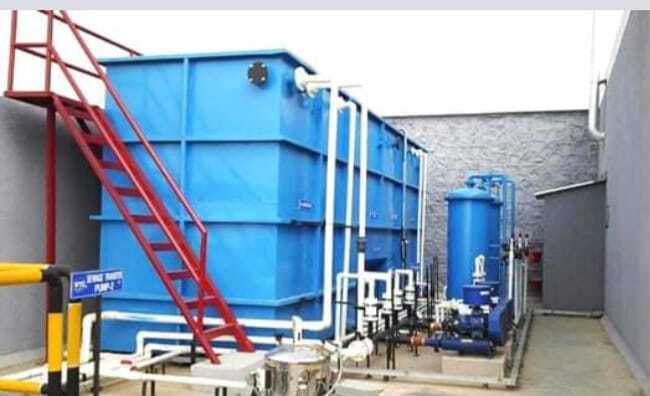
Tell us about your requirement

Price:
Quantity
Select Unit
- 50
- 100
- 200
- 250
- 500
- 1000+
Additional detail
Mobile number
Email

More Products in Sewage Treatment Plant Category
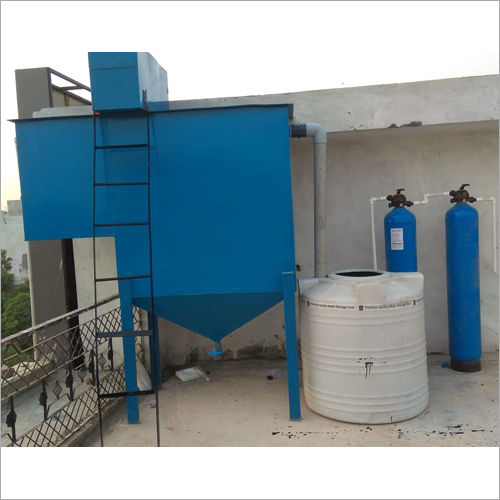
Municipal Compact Sewage Treatment Plant
Price 310000.00 INR / Unit
Minimum Order Quantity : 1 Unit
Material : Mild Steel
Power Source : Electric
Operation Type : Semi Automatic
Warranty : 1 Year
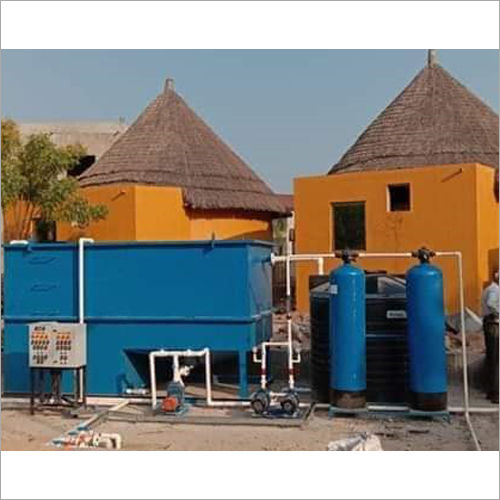
Residential Waste Water Sewage Treatment Plant
Price 310000.00 INR / Unit
Minimum Order Quantity : 1 Unit
Material : Mild Steel
Power Source : Electric
Operation Type : Automatic
Warranty : 1 Year
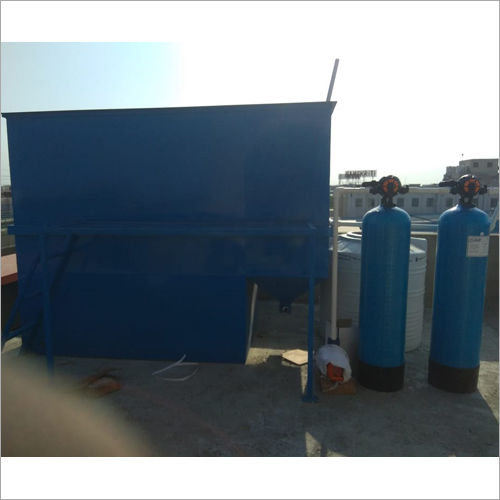
Hotel And Restaurant Stp Plant
Price 320000.00 INR / Unit
Minimum Order Quantity : 1 Unit
Material : Mild Steel
Power Source : Electric
Operation Type : Automatic
Warranty : 1 Year
Domestic STP Plant
Price 300000.00 INR / Unit
Minimum Order Quantity : 1 Unit
Material : Mild Steel
Power Source : Electric
Operation Type : Automatic
Warranty : 1 Year

Address
CHOUDHARY ENVIRO EQUIPMENTS
GST : 07ATFPN1706N1ZI
GST : 07ATFPN1706N1ZI
- Plot No. 113, FF, Amber Tower, Shalimar Bagh, Delhi - 110033, India
- Phone :91--9971086904
- Send Inquiry
 Send Inquiry

 Send Inquiry
 Send SMS
 |
CHOUDHARY ENVIRO EQUIPMENTS
All Rights Reserved.(Terms of Use) Developed and Managed by Infocom Network Private Limited. |
