 Call Us : Call Us :

 Send Inquiry
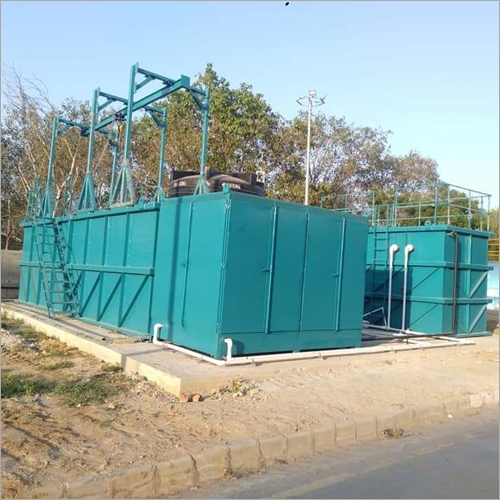
Industrial Effluent Treatment Plant and Systems
Price 500000.00 INR/ Unit
MOQ : 1 Unit
Industrial Effluent Treatment Plant and Systems Specification
- Power
- 9.5 kW to 200 kW (As per plant size)
- Flow Rate
- 10 - 1000 m3/hr
- Treatment Technique
- Mixed Effluent Treatment (Physical, Chemical & Biological)
- Water Source
- Industrial Effluents / Waste Water
- Application
- Industrial Effluent, Process Water, Wastewater Recycling
- Material
- Mild Steel / FRP / SS304 / SS316
- Automation Grade
- Automatic / Semi-automatic
- Ph Level
- 6.5 - 8.5
- Capacity
- 10 KLD - 1000 KLD (Kilo Litres per Day)
- Membrane Size
- 0.5 m² to 80 m² (System dependent)
- Installation Type
- Containerized / Prefabricated / On-site Civil
- Membrane Quantity
- 2-20 Units (Optional, depending on MBR system)
- Product Type
- Automatic Effluent Treatment System
- Technology
- Activated Sludge Process (ASP), Moving Bed Biofilm Reactor (MBBR), Sequencing Batch Reactor (SBR), Membrane Bioreactor (MBR)
- Power Source
- Electric
- Operation Type
- Automatic / Semi-automatic
- Pressure
- 2 - 5 bar (Operation dependent)
- Dimension (L*W*H)
- Custom as per design / 10 ft x 8 ft x 12 ft (example)
- Weight
- 1000 kg - 50000 kg (As per capacity)
- Color
- Industrial Blue / Grey / Custom
- Capacity Intel Flow Rate
- As per client requirements
- Plant Life Span
- 15 - 20 Years
- Voltage
- 3 Phase, 380-440V, 50/60 Hz
- Operating Temperature Range
- 5°C - 55°C
- Outlet COD
- <250 ppm
- Pre-treatment Required
- Oil Skimmer, Equalization, Screening
- BOD Removal Efficiency
- 85% to 95%
- Pump Type
- Centrifugal / Submersible
- Inlet TSS Tolerance
- Up to 2000 mg/L
- Noise Level
- <65 dB
- Control Panel
- PLC/Manual
- COD Removal Efficiency
- 80% to 90%
- Outlet TSS
- <30 ppm
- Disinfection Method
- Chlorine / UV / Ozone (Optional)
- Air Blower Type
- Roots / Twin Lobe / Centrifugal
- Sludge Handling
- Manual/Auto Sludge Dewatering Unit
- Outlet BOD
- <30 ppm
Industrial Effluent Treatment Plant and Systems About
Industrial Effluent Treatment Plant (ETP):
-
Purpose: Designed to treat wastewater and effluents generated by industrial processes, ensuring they meet environmental discharge standards.
-
Functionality: Efficiently removes harmful chemicals, pollutants, and contaminants from industrial wastewater before it's discharged or reused.
-
Process: Typically involves multiple treatment stages such as:
-
Pre-treatment: Removal of large solids, screening, and filtration.
-
Primary Treatment: Settling and flotation to remove suspended solids and oils.
-
Secondary Treatment: Biological processes (aeration, activated sludge) to degrade organic pollutants.
-
Tertiary Treatment: Advanced treatments (e.g., reverse osmosis, activated carbon) to remove remaining chemicals, heavy metals, and toxins.
-
-
Types of Industries: Commonly used in industries like textiles, pharmaceuticals, chemicals, food processing, and more.
-
Importance: Ensures compliance with local environmental regulations, preventing pollution of water sources, and reducing harmful impacts on ecosystems and public health.
-
Outcome: Treated effluent that can be safely discharged into water bodies or reused for non-potable applications (e.g., irrigation, cooling).
-
Benefits: Protects the environment, conserves water, reduces legal liabilities, and enhances corporate sustainability practices.
Advanced Sludge Handling and Dewatering
Our effluent treatment plants feature both manual and automatic sludge dewatering units, assuring efficient handling of sludge produced during treatment. Dewatering enhances operational simplicity, reduces disposal costs, and optimizes facility footprint, making these systems suitable for diverse industrial requirements.
Integrated Treatment for Reliable Discharge Quality
Utilizing a combination of physical, chemical, and biological treatment steps, the plants achieve high BOD (85%-95%) and COD (80%-90%) removal efficiencies. Final effluent reliably reaches below 30 ppm for TSS and BOD, meeting stringent industrial and environmental norms in India.
Flexible Control and Installation Options
Each system is equipped with PLC or manual controls, providing user-friendly operation and automation. Installation varieties include containerized, prefabricated, or on-site civil works, allowing seamless fit into new and existing industrial setups. Customization ensures optimal performance across varying site conditions.
Robust & Durable Engineering
Constructed from high-grade mild steel, FRP, SS304, or SS316, our treatment plants deliver excellent corrosion resistance and durability, with an expected lifespan of 15-20 years. Their quiet operation (<65 dB) and broad operating temperature range make them ideal for continuous industrial usage.
FAQ's of Industrial Effluent Treatment Plant and Systems:
Q: How does the treatment process work in these Industrial Effluent Treatment Plants?
A: The treatment system uses a combination of physical, chemical, and biological methods, including pre-treatment (oil skimming, equalization, screening), followed by processes like Activated Sludge Process (ASP), MBBR, SBR, and optional MBR. This integrated approach ensures substantial removal of suspended solids, BOD, and COD from industrial effluents.Q: What are the benefits of using automatic sludge dewatering units in the plant?
A: Automatic sludge dewatering units streamline the process of handling sludge, reducing manual effort and operational time. They help decrease the volume of sludge requiring disposal, enhance plant hygiene, and contribute to improved system efficiency and reliability.Q: When should pre-treatment steps like oil skimming and screening be performed?
A: Pre-treatment steps are mandatory before the main treatment starts. Oil skimming, equalization, and screening remove large solids, fats, oils, and debris, protecting downstream equipment and ensuring optimal performance in biological and chemical treatment stages.Q: Where is this effluent treatment plant best installed for industrial use?
A: These plants are suitable for installation at factories, processing units, and industrial locations generating substantial wastewater. Flexible installation options-containerized, prefabricated, or site-built civil structures-allow them to adapt to different floor plans and site requirements across industries in India.Q: What control and disinfection options are available for operating and treating effluent?
A: Operators can choose between PLC-automated or manual control panels for flexible management. Disinfection is customizable, with chlorine, UV, or ozone methods available as per client requirements to ensure outlet water meets regulatory standards for discharge or reuse.Q: How does the system ensure compliance with environmental standards?
A: By achieving outlet values of TSS (<30 ppm), BOD (<30 ppm), and COD (<250 ppm), and providing advanced process control, the plant meets strict discharge norms. Disinfection and robust design further support reliable, regulatory-compliant wastewater management.Q: What is the expected service life and durability of the treatment systems?
A: Engineered using mild steel, FRP, SS304, or SS316 and designed for an operational lifespan of 15-20 years, these systems provide long-term durability and consistent performance under demanding industrial conditions.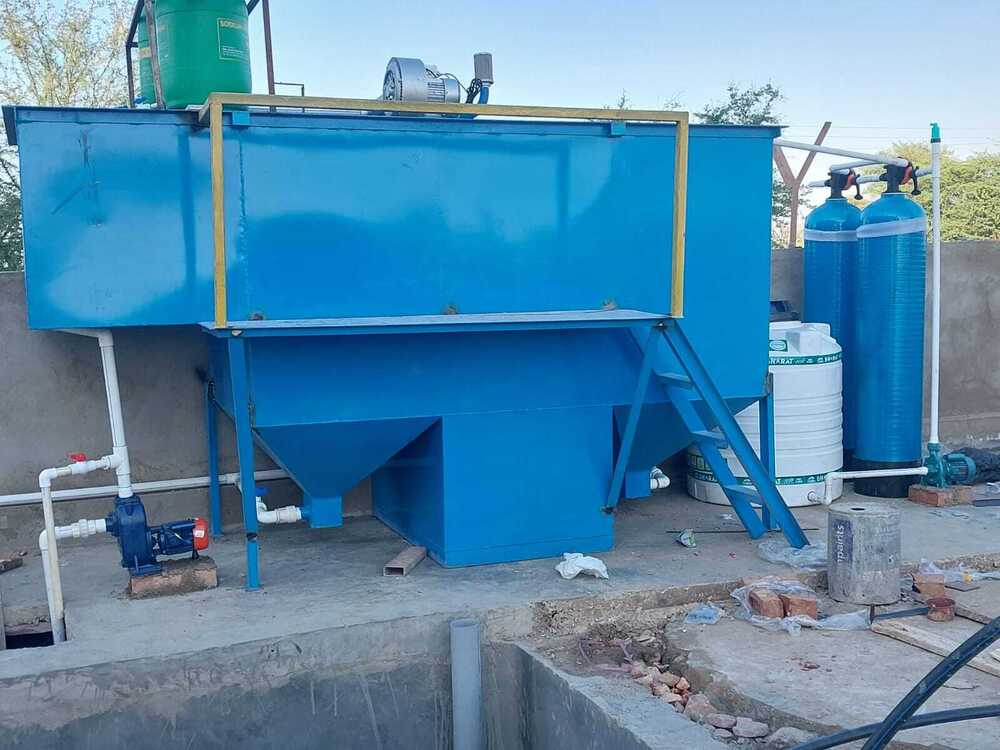
Tell us about your requirement

Price:
Quantity
Select Unit
- 50
- 100
- 200
- 250
- 500
- 1000+
Additional detail
Mobile number
Email

More Products in Effluent Treatment Plant Manufacturer Category
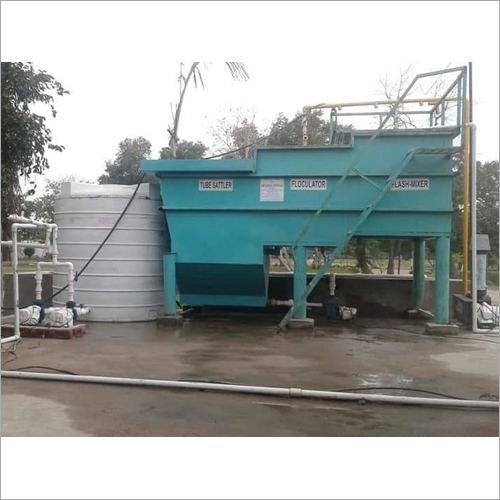
Industrial Effluent Treatment Plant
Price 170000.00 INR / Unit
Minimum Order Quantity : 1 Unit
Operation Type : Automatic
Application : For Wastewater Treatment
Material : Mild Steel & FRP
Power Source : Electric
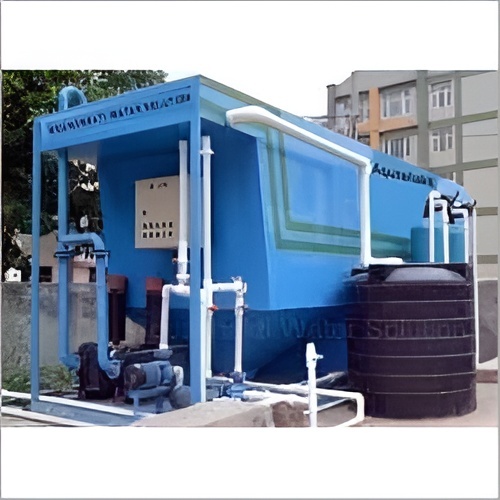
Industry ETP Plant
Price 170000.00 INR / Unit
Minimum Order Quantity : 1 Unit
Operation Type : Automatic
Application : For Wastewater Treatment
Material : Mild Steel
Power Source : Electric
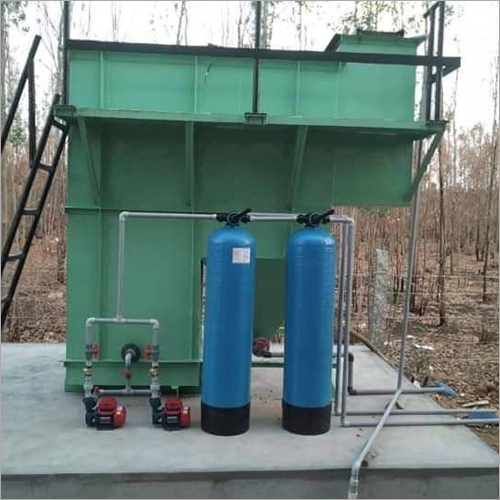
Electroplating Effluent Treatment Plant
Price 150000.00 INR / Unit
Minimum Order Quantity : 1 Unit
Operation Type : Semi Automatic
Application : For Wastewater Treatment
Material : Mild Steel
Power Source : Electric
Automatic Effluent Treatment Plant
Price 250000.00 INR / Unit
Minimum Order Quantity : 1 Unit
Operation Type : Automatic
Application : For Wastewater Treatment
Material : Mild Steel
Power Source : Electric

Address
CHOUDHARY ENVIRO EQUIPMENTS
GST : 07ATFPN1706N1ZI
GST : 07ATFPN1706N1ZI
- Plot No. 113, FF, Amber Tower, Shalimar Bagh, Delhi - 110033, India
- Phone :91--9971086904
- Send Inquiry
 Send Inquiry
 Send Inquiry
 Send SMS
 |
CHOUDHARY ENVIRO EQUIPMENTS
All Rights Reserved.(Terms of Use) Developed and Managed by Infocom Network Private Limited. |
